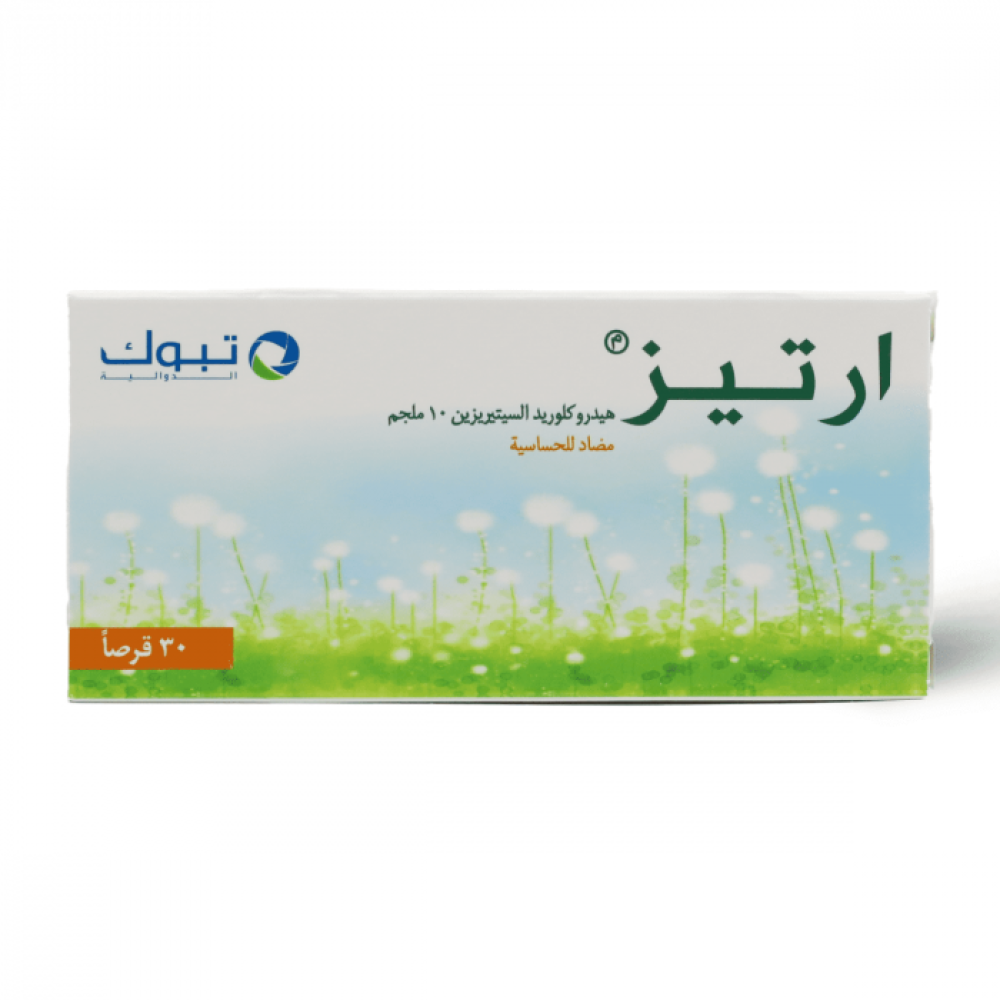
What is cetirizine and what is it used for?
- Cetirizine belongs to a group of medications called antihistamines. These medications help relieve the symptoms of certain types of allergies.
- This medicine is used to relieve:
- Hay fever and other allergy symptoms such as sneezing, runny nose, and burning and itchy eyes
- Skin allergy symptoms such as rash, itching, or hives.
What you need to know before using cetirizine:
Do not use this medicine if:
- You are allergic (hypersensitive) to cetirizine hydrochloride or any of the ingredients of this medicine.
- You have serious kidney problems
- You are lactose intolerant
Warnings and Precautions:
- Talk to your doctor or pharmacist before taking this medicine if you:
- You have a kidney problem
- You have epilepsy or are at risk of seizures.
- You have a predisposition to urinary retention (such as spinal cord injury or prostate enlargement) as cetirizine increases the risk of urinary retention.
- Avoid alcoholic beverages while taking this medication.
Other medications and cetirizine:
- Cetirizine is not expected to interact with other medications.
- Tell your doctor or pharmacist if you are taking, have recently taken or might take any other medicine.
How to use cetirizine:
- Cetirizine is used orally.
- Adults and children over 12 years: 5-10 mg daily depending on the severity of symptoms.
- Children between 2 and 12 years: 2.5-5 mg daily depending on the severity of symptoms.
- Your doctor will adjust your dose if you have kidney failure.
- The duration of treatment depends on the type, duration, and course of the complaint. Please consult your doctor or pharmacist.
- Do not take this medicine if you are pregnant or breastfeeding.
Possible side effects:
- The following side effects are rare or very rare, but you should stop taking the medication and talk to your doctor immediately if you notice them:
- Allergic reactions, including severe reactions and angioedema (a serious allergic reaction causing swelling of the face or throat). These reactions may begin soon after you first take the medicine, or they may begin later.
How to store cetirizine:
- Keep this medicine out of the sight and reach of children.
- Do not use this medicine after the expiry date printed on the carton and blister. The expiry date refers to the last day of that month.
- This medicine does not require any special storage conditions.